
Taliesin vs. House on the Rock: Two Very Different Design Journeys in Spring Green, Wisconsin


A Tale of Two Houses (and Two Very Different Moods)
Visiting Spring Green, Wisconsin, can feel like stepping through two different universes—especially if you tour Frank Lloyd Wright’s Taliesin and Alex Jordan Jr.’s House on the Rock back-to-back.
Imagine this: in the morning, you’re gliding through serene spaces of stone and wood, marveling at Wright’s mastery of light, proportion, and connection to the natural landscape. By the afternoon, you’ve been swallowed by a giant mechanical sea creature, marched past endless dollhouses, and heard a pipe organ that looks like it was built by Zeus on a caffeine rush. One moment you’re immersed in Zen-like harmony, the next you’re inside a designer’s fever dream on overdrive.
As an interior designer serving Chicago’s North Shore suburbs like Deerfield, Highland Park, Glencoe and Northbrook, the comparison is fascinating. I couldn’t help but laugh at the contrast—this isn’t just a day trip, it’s a full-on rollercoaster of design philosophy.
Architecture in Contrast: Harmony vs. Excess
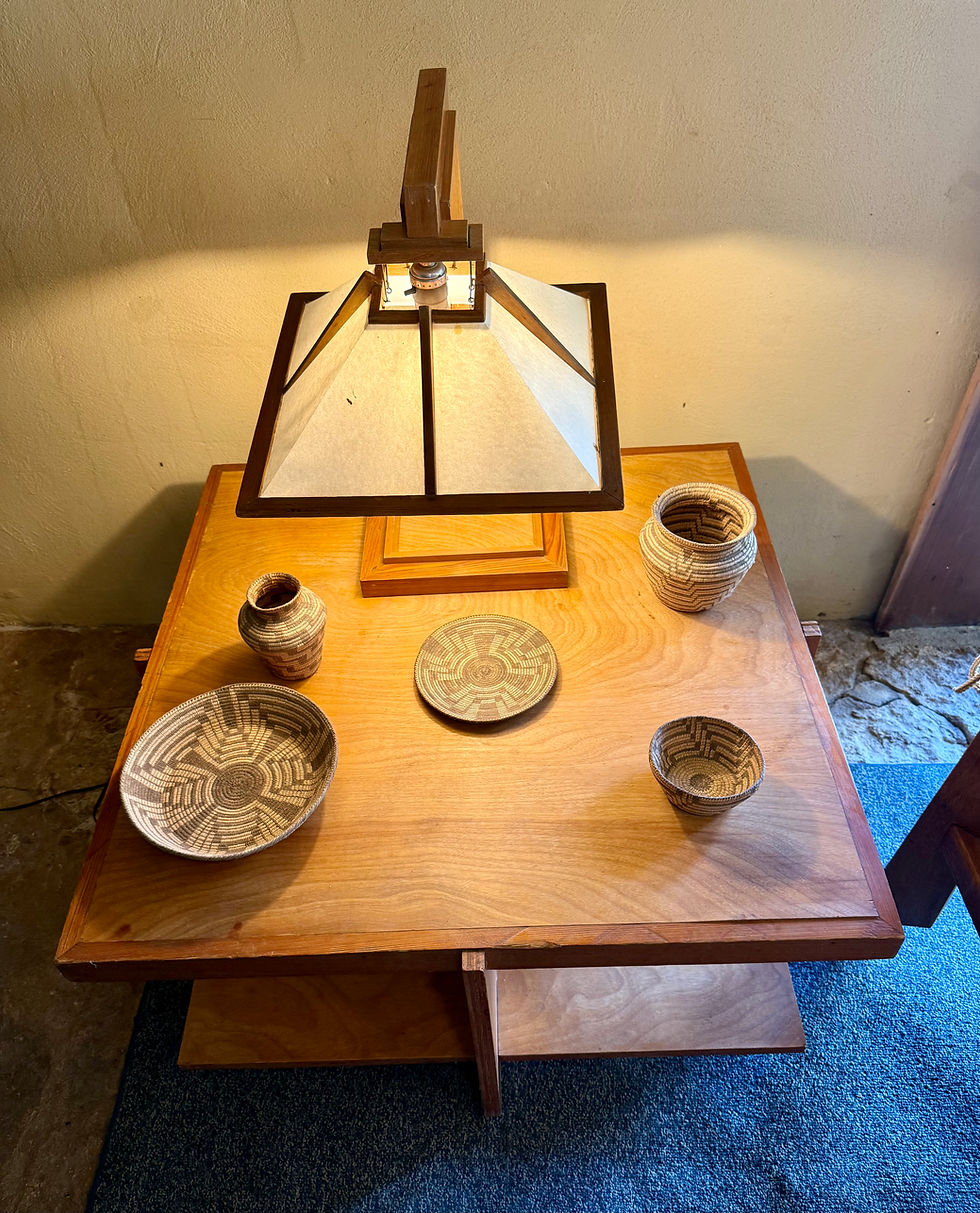
At its core, Taliesin is about harmony. Wright designed every line and material to serve a purpose—architecture as a way of living well. His philosophy was rooted in proportion, natural materials, and connection to the environment.


The House on the Rock, in stark contrast, is about spectacle. It doesn’t whisper, it shouts—layer upon layer of collections, curiosities, and drama. If Taliesin is a serene symphony, House on the Rock is a marching band at full blast. Both are unforgettable, but for very different reasons.
The House on the Rock: Maximalism in Overdrive
For anyone who loves collections, The House on the Rock is a pilgrimage. Room after room reveals fantastical displays: giant model ships, mechanical orchestras, dollhouses, circus memorabilia, and endless curiosities. The scope of the collections is staggering, almost beyond comprehension, and it challenges us to think about how much our environments affect our emotions, energy, and sense of wonder.


Walking through, you’re immersed in maximalism—textures, colors, and objects stacked everywhere. As a designer, I see it as an exploration of how abundance and spectacle can create wonder (and, yes, overwhelm). It’s not about balance, but about sheer impact. For homeowners in Chicago’s North Shore, it might inspire a more playful, layered approach to basement rec rooms or entertainment spaces.


Taliesin: Frank Lloyd Wright’s Masterpiece
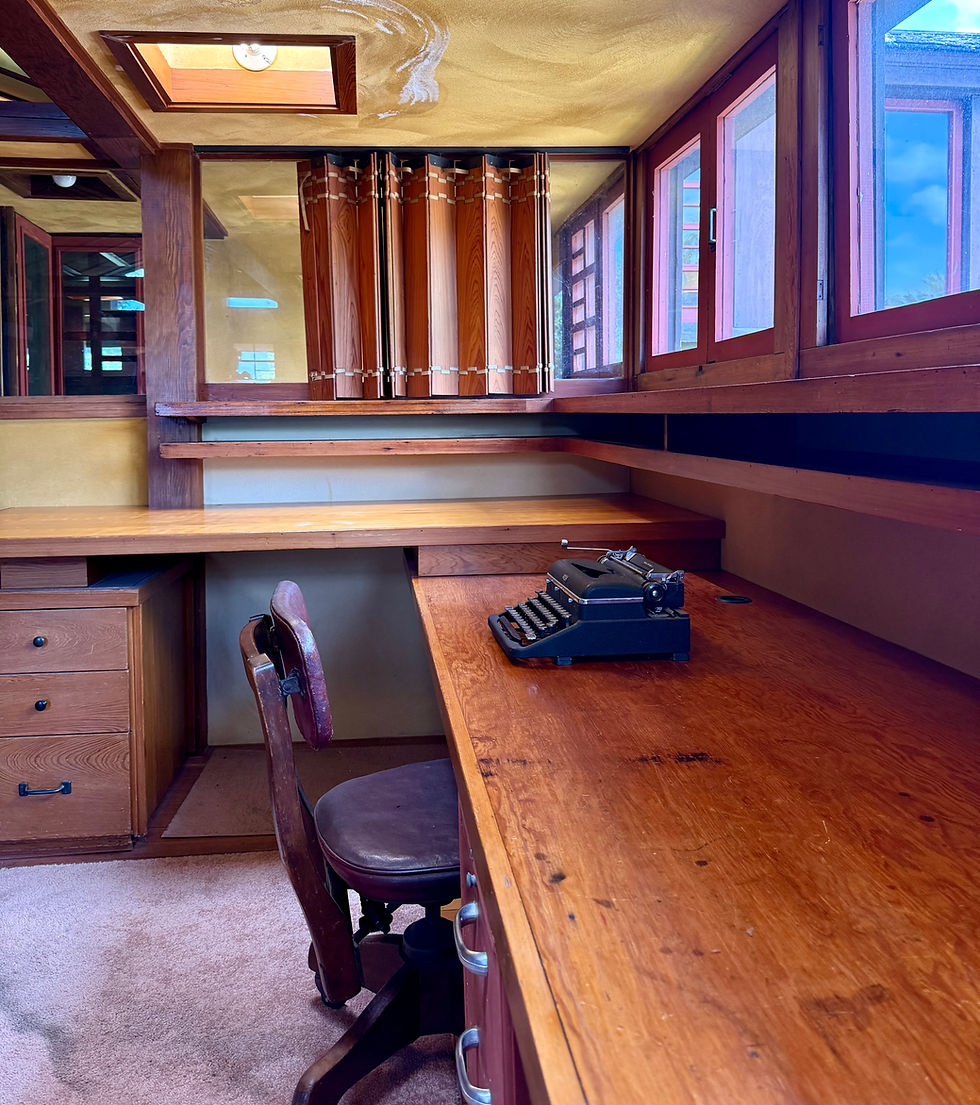
On the other hand, Taliesin is one of the most important achievements in American architecture. Wright pioneered the idea that homes should flow with the land rather than dominate it. His use of stone, wood, light, and open plans created spaces that still feel fresh today.
For homeowners in the Chicago North Shore suburbs, Taliesin offers lasting lessons:
Thoughtful proportions can make a room feel more comfortable. Spaces should be carefully proportioned—not oversized for show, but intimate and livable.
Integrating natural materials can bring warmth and sophistication. And materials should be used in honest ways (stone should look like stone, wood like wood).
Creating flow between living spaces and from indoor to outdoor spaces enhances everyday living.
Light and views should be maximized to enhance the experience of living in a space.
These principles remain the gold standard for designing homes that feel timeless yet personal. They’re especially relevant for families investing in luxury home design or renovations in the North Shore suburbs, where lifestyle and design go hand-in-hand.


Why This Matters for Your Home Design
Experiencing both homes in one day is unforgettable: Taliesin shows us how harmony can transform daily living, while the House on the Rock reminds us of the emotional power of abundance and surprise.
For those of us designing homes in the North Shore—the takeaway is clear: thoughtful design, whether serene or bold, shapes how we live, gather, and feel at home.


Comments